Best Daily Habits for Hormonal Balance in Women
Want to feel amazing? Discovering the best daily habits for hormonal balance in women is key! Hormonal imbalances can seriously impact your mood, energy, and well-being. That’s the gist. But don’t worry, making small changes can make a HUGE difference..
A tiny note that matters more than it sounds: instrumentation. With data, debates end faster.
Prioritize Sleep: Your Body’s Reset Button
Getting 7-9 hours of quality sleep is non-negotiable. Think of sleep as your body’s nightly reboot—it’s when hormones regulate themselves. Aim for a consistent sleep schedule, even on weekends, to help regulate your circadian rhythm and support hormonal balance. That’s the gist. Falling asleep earlier, even just 30 minutes, makes a difference.
You’ll see the same thing in public threads: an idea lands, rough edges appear, then a practical fix ships.
Stress Less, Live More: Managing Your Cortisol
Chronic stress is a hormone disruptor, plain and simple. High cortisol levels wreak havoc on your entire system. Find ways to manage stress that work for you: meditation, yoga, spending time in nature, or even just 15 minutes of quiet time with a cup of tea. That’s the gist. These simple acts can drastically improve your hormone health..
In real use, people building Best daily habits for hormonal balance in women often mention small trade‑offs that only show up once traffic hits.
Best Daily Habits for Hormonal Balance in Women: Nourish Your Body
Your diet plays a massive role in hormonal health. Focus on whole, unprocessed foods like fruits, vegetables, lean proteins, and healthy fats. Limit processed foods, sugar, and caffeine, all of which can throw your hormones out of whack. That’s the gist. and it needs the right notes to play beautifully!, Think of it like this: you’re fueling your body’s hormonal symphony.
Most teams eventually learn the same rule — simpler beats clever at 3 a.m. when something breaks.
Move Your Body: Exercise’s Amazing Impact
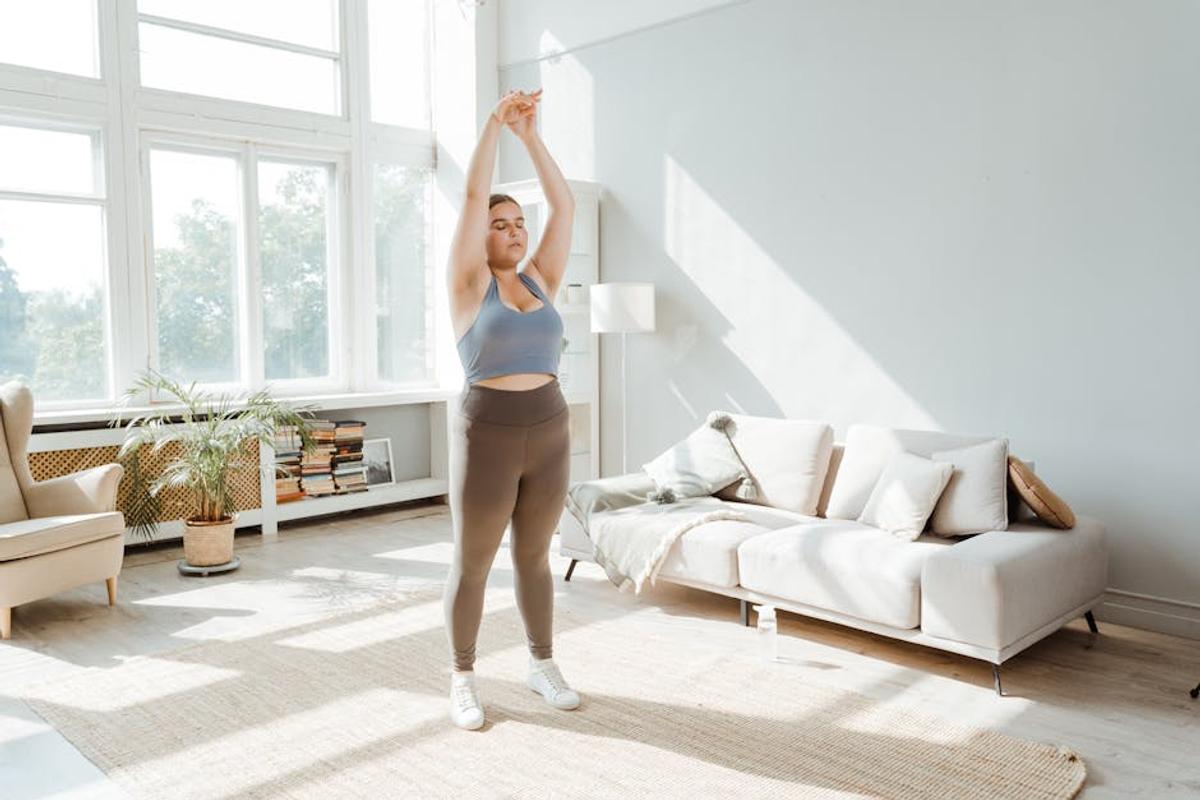
Regular exercise, even a short walk, helps regulate hormones and reduce stress. Aim for at least 30 minutes of moderate-intensity exercise most days of the week. Listen to your body, choose activities you enjoy, and find what works best for your lifestyle. That’s the gist. Whether it’s dancing, hiking, or a Zumba class, find your groove..
A tiny note that matters more than it sounds: instrumentation. With data, debates end faster.
Hydrate, Hydrate, Hydrate: Water is Your Friend
Dehydration can negatively affect hormone production. Drink plenty of water throughout the day. Carrying a reusable water bottle is a great reminder to stay hydrated. That’s the gist. plus it helps with everything from clearer skin to better digestion, You’ll feel the difference.
You’ll see the same thing in public threads: an idea lands, rough edges appear, then a practical fix ships.
Tune Into Your Cycle: Listen to Your Body
Learning about your menstrual cycle can help you identify patterns and potential imbalances. Tracking your period, symptoms, and mood can empower you to make informed choices about your health. This is another way to get to know yourself better and be more in touch with your amazing body!. That’s the gist.
In real use, people building Best daily habits for hormonal balance in women often mention small trade‑offs that only show up once traffic hits.
Field Notes
- Benchmarks rarely tell the whole story; real traffic patterns do.
- Trade‑offs shift over time — today’s bottleneck might vanish after one refactor.
- Docs that include failure modes save more time than perfect diagrams.
- Small utilities around Best daily habits for hormonal balance in women often shape workflows more than flagship features.
FAQ
What are the main hormone disruptors to avoid?
Processed foods, excessive sugar, caffeine, and chronic stress are major culprits that can throw your hormones out of balance. Limiting these can significantly improve your hormonal health.
How much sleep is truly necessary for hormonal balance?
Aim for 7-9 hours of quality sleep per night. Consistent sleep helps regulate your circadian rhythm, which is crucial for hormonal regulation.
What types of exercise are best for hormonal health?
Any type of moderate-intensity exercise you enjoy! Find activities that you look forward to, whether that’s dancing, yoga, brisk walking, or something else entirely. Consistency is key.
How can I manage stress effectively to support my hormones?
Explore stress-reducing techniques such as meditation, yoga, spending time in nature, or engaging in hobbies you enjoy. Even short breaks throughout the day to practice mindfulness can be beneficial.
Is tracking my menstrual cycle really important?
Tracking your cycle helps you understand your body’s rhythms and identify patterns. It empowers you to make choices aligned with your hormonal fluctuations, potentially mitigating symptoms and improving your well-being.
What if I’m already struggling with a hormonal imbalance?
These habits are a great starting point, but if you suspect a significant hormonal imbalance, consult your doctor. They can conduct tests and provide personalized guidance.