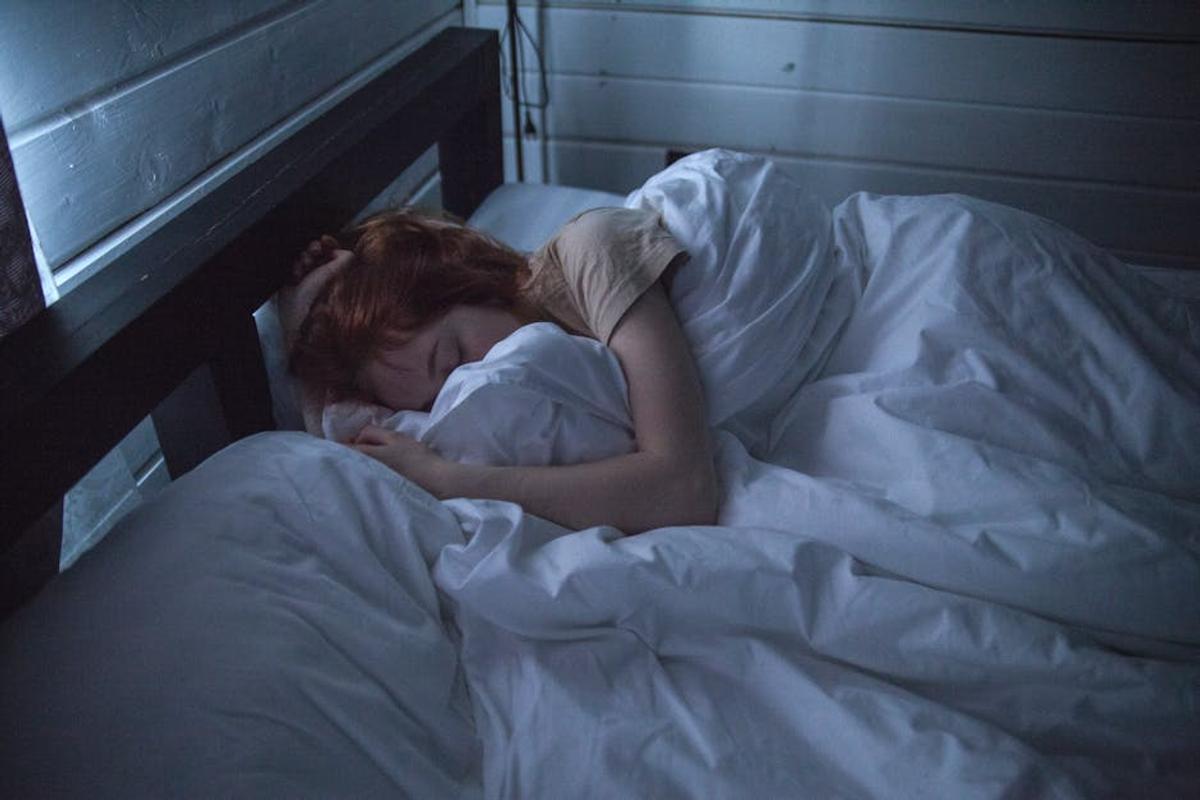
Top tips for better sleep and recovery: Your Guide to Restful Nights and Amazing Days
So, you’re looking for top tips for better sleep and recovery? You’ve come to the right place! We all know that feeling—that groggy morning after a restless night. That’s the gist. Let’s change that. This isn’t about magic potions; it’s about building better sleep habits..
A tiny note that matters more than it sounds: instrumentation. With data, debates end faster.
Ditch the Screens Before Bed
That late-night scroll through Instagram? It’s sabotaging your sleep. the hormone that regulates your sleep-wake cycle, The blue light emitted from screens interferes with melatonin production. That’s the gist. Aim for at least an hour of screen-free time before bed. Read a book, listen to calming music, or try some gentle stretching—anything that helps you unwind..
You’ll see the same thing in public threads: an idea lands, rough edges appear, then a practical fix ships.
Optimize Your Sleep Environment
Think of your bedroom as your personal sleep sanctuary. Is it dark enough? Too hot? That’s the gist. Too cold? A cool, dark, and quiet room is key. Consider blackout curtains, earplugs, or a white noise machine to block out distractions. That’s the gist. Even small changes can make a big difference. I personally found that lowering the thermostat by just 2 degrees made a huge difference in my sleep quality..
In real use, people building Top tips for better sleep and recovery often mention small trade‑offs that only show up once traffic hits.
Top tips for better sleep and recovery: The Power of Routine
Consistency is key when it comes to sleep. Try to go to bed and wake up around the same time every day, even on weekends. This helps regulate your body’s natural sleep-wake cycle. That’s the gist. Aim for 7-9 hours of sleep per night; it’s a sweet spot for most adults. Sticking to a routine signals to your body when it’s time to wind down and prepare for sleep..
Most teams eventually learn the same rule — simpler beats clever at 3 a.m. when something breaks.
Fuel Your Body Right
What you eat and drink can significantly impact your sleep. Avoid large meals, caffeine, and alcohol close to bedtime. A light snack, like a banana or a small bowl of yogurt, can sometimes help if you’re hungry, but don’t overdo it. That’s the gist. but avoid excessive fluids right before bed to minimize nighttime bathroom trips, Staying hydrated throughout the day is important.
A tiny note that matters more than it sounds: instrumentation. With data, debates end faster.
Prioritize Physical Activity
and it can significantly improve sleep quality, Regular exercise is amazing for both physical and mental health. but, avoid intense workouts close to bedtime. A morning or afternoon workout is ideal. That’s the gist. Even a 30-minute walk can make a difference; you’ll feel more relaxed and ready to sleep soundly..
You’ll see the same thing in public threads: an idea lands, rough edges appear, then a practical fix ships.
When to Seek Help
don’t hesitate to talk to your doctor, If you’re consistently struggling with sleep despite trying these top tips for better sleep and recovery. and there are many treatments available, Underlying medical conditions or sleep disorders could be the cause. Don’t suffer in silence; prioritize your well-being.. That’s the gist.
In real use, people building Top tips for better sleep and recovery often mention small trade‑offs that only show up once traffic hits.
Field Notes
- Benchmarks rarely tell the whole story; real traffic patterns do.
- Trade‑offs shift over time — today’s bottleneck might vanish after one refactor.
- Docs that include failure modes save more time than perfect diagrams.
- Small utilities around Top tips for better sleep and recovery often shape workflows more than flagship features.
FAQ
What if I still can’t sleep after trying these tips?
If you’ve consistently tried these strategies and still experience sleep problems, consult a doctor. They can help identify any underlying medical conditions affecting your sleep.
How much sleep do I really need?
Most adults need 7-9 hours of sleep per night. However, individual needs may vary slightly.
What’s the big deal about blue light?
Blue light from screens suppresses melatonin production, making it harder to fall asleep. Reducing screen time before bed helps regulate your sleep cycle.
Does exercise really improve sleep?
Yes, regular physical activity improves sleep quality. However, avoid intense workouts close to bedtime.
Is it okay to nap during the day?
Short naps (20-30 minutes) can be beneficial, but longer naps can disrupt nighttime sleep. Try to avoid napping late in the afternoon.
How can I make my bedroom a better sleep environment?
Ensure your bedroom is dark, quiet, and cool. Consider blackout curtains, earplugs, or a white noise machine to minimize distractions.