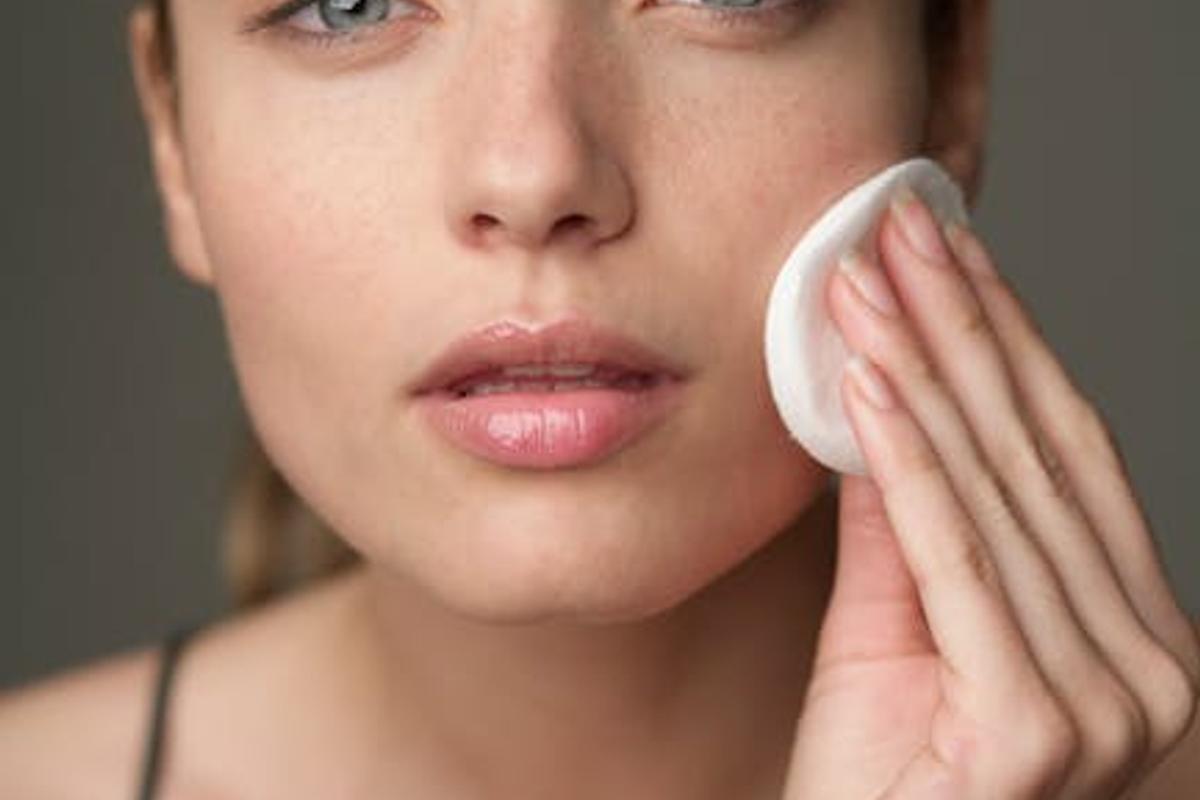
Drink Up for Gorgeous Skin: Your Daily Hydration Guide
Let’s be real, we all want that radiant, glowing skin. But between late nights, stressful days, and questionable diet choices, achieving that coveted complexion can feel like a mission impossible. The secret weapon? You guessed it – hydration! So, ditch the expensive serums (for now) and let’s dive into how daily hydration can transform your skin.
Why Hydration is Your Skin’s BFF
Before we get into the how, let’s talk about the why. Dehydration is a major skin saboteur. It can lead to dryness, dullness, fine lines, and even breakouts. Think of your skin like a plant – without enough water, it wilts! Proper hydration plumps up your skin cells, making it look smoother, healthier, and more youthful.
Beyond the Water Bottle: Mastering Daily Hydration
Okay, so you know hydration is key. But simply chugging water isn’t the whole story. It’s about a holistic approach that goes beyond just H2O.
-
Water, Water, Everywhere: The most obvious, but still the most important. Aim for at least 8 glasses of water a day. Keep a reusable water bottle handy and sip on it throughout the day. Infuse it with fruits like cucumber or lemon for a refreshing twist!
-
Electrolytes: Your Skin’s Secret Squad: When you sweat, you lose electrolytes, which are essential for cellular function. Replenishing them is crucial for optimal hydration. Consider adding electrolyte drinks, especially after a workout, or eating foods rich in electrolytes such as bananas and coconut water.
-
Hydrating Foods: The Delicious Way to Hydrate: Did you know that some foods can contribute to your daily hydration intake? Fruits and vegetables with high water content, like watermelon, cucumbers, and spinach, are your new best friends. Add them to smoothies, salads, or enjoy them as snacks for a juicy boost!
-
Limit Dehydrating Beverages: While enjoying the occasional glass of wine or cup of coffee is fine, remember that caffeine and alcohol are diuretics. They can actually pull water out of your body. Moderation is key! Remember to balance those with plenty of water.
-
Moisturize, Moisturize, Moisturize: Topical hydration is just as important as internal hydration. Apply a moisturizer both morning and night to lock in moisture and create a protective barrier against environmental stressors. Choose a moisturizer suited to your skin type – oily, dry, combination, etc.
-
Humidify Your Surroundings: Especially during dry seasons or if you live in a dry climate, consider using a humidifier to add moisture to the air. This can help prevent your skin from losing moisture and becoming dry and irritated.
-
Listen to Your Body’s Signals: Pay attention to your thirst cues! Don’t wait until you’re parched to reach for a glass of water. Slight thirst is already a sign that your body needs to rehydrate.
-
Adjust for Activity Level: If you exercise regularly or live in a hot and humid climate, you’ll need to increase your water intake to compensate for fluid loss through sweat.
-
Consider Supplements (With Caution): In some cases, a doctor might recommend supplements like hyaluronic acid, which is known for its hydrating properties, to support your skin’s hydration. However, always consult a doctor before starting any new supplements.
-
Shower Smarter, Not Harder: Long, hot showers can strip your skin of its natural oils, leading to dryness. Opt for lukewarm showers, and limit your shower time.
Beyond the Basics: Advanced Hydration Hacks
Ready to level up your hydration game? Here are a few extra tips for truly radiant skin:
- Track Your Water Intake: Use a water tracking app or a simple journal to monitor how much water you’re drinking daily. Seeing your progress can be really motivating!
- Eat a Balanced Diet: A diet rich in fruits, vegetables, and whole grains provides essential nutrients that support healthy skin function.
- Get Enough Sleep: Sleep deprivation can negatively impact your skin’s health and hydration levels. Aim for 7-8 hours of quality sleep each night.
- Manage Stress: Stress can disrupt your skin’s natural balance and contribute to dehydration. Find healthy ways to manage stress, such as exercise, yoga, or meditation.
- Protect Your Skin from the Sun: Sun exposure can damage your skin and lead to dehydration. Always wear sunscreen with an SPF of 30 or higher when spending time outdoors.
The Glow-Up is Real: Reap the Rewards of Hydration
By following these daily hydration tips, you’ll not only feel better, but you’ll see a noticeable improvement in your skin’s health and appearance. So, ditch the dehydration and embrace the glow! Remember, consistency is key. Make hydration a daily habit, and watch your skin thank you for it.

Frequently Asked Questions
What are the best foods to eat for better skin hydration?
Fruits and vegetables high in water content, such as watermelon, cucumbers, spinach, and berries, are excellent choices. These foods not only hydrate you from the inside but also provide essential vitamins and antioxidants for healthy skin.
How much water should I drink per day for optimal skin hydration?
The general recommendation is to drink at least eight 8-ounce glasses of water per day. However, your individual needs may vary depending on factors like activity level, climate, and overall health. Pay attention to your thirst cues and adjust your intake accordingly.
What are the signs of dehydration in my skin?
Dehydrated skin often appears dry, flaky, dull, and tight. You might also notice fine lines becoming more prominent and an increase in breakouts.
Can I use a humidifier to improve my skin’s hydration?
Yes, especially in dry climates or during winter months, using a humidifier can help add moisture to the air, preventing your skin from drying out. This helps maintain optimal skin hydration levels.
Besides water, what other drinks can contribute to hydration?
Electrolyte drinks, coconut water, and herbal teas can also contribute to hydration. However, remember that excessive caffeine and alcohol can have dehydrating effects, so moderation is key.
